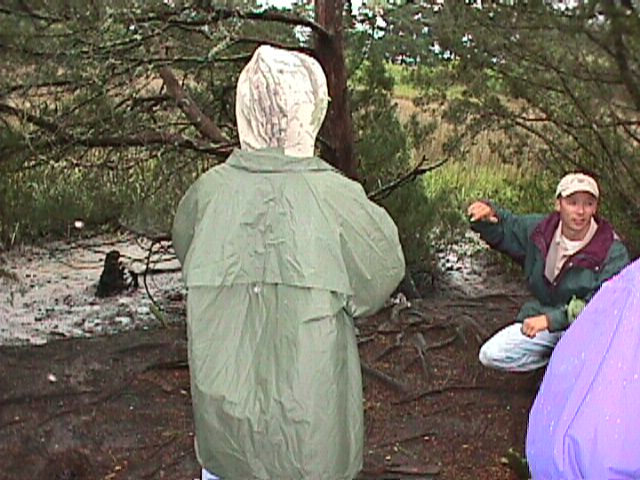
 The hammock is the raised area in the marsh. Trees, shrubs, and sloughs are located there. |
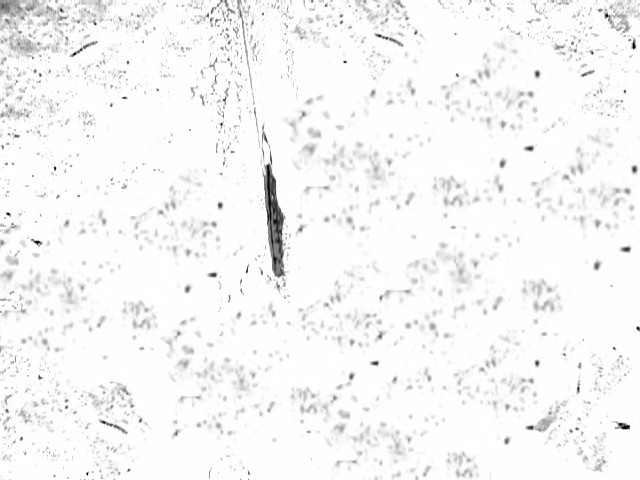 Salt pan is
the "river of light gray soil" that won't
support plants. Notice the dark line scraped into
the soil. That thick layer of black soil
under the salt pan is detritus, the dead plant/animal
matter that has been decomposed by bacteria and fungi. It
is eaten by fiddler crabs. They eat the black
"yucky" matter and later spit out lumps of
clean sand. Salt pan is
the "river of light gray soil" that won't
support plants. Notice the dark line scraped into
the soil. That thick layer of black soil
under the salt pan is detritus, the dead plant/animal
matter that has been decomposed by bacteria and fungi. It
is eaten by fiddler crabs. They eat the black
"yucky" matter and later spit out lumps of
clean sand. |
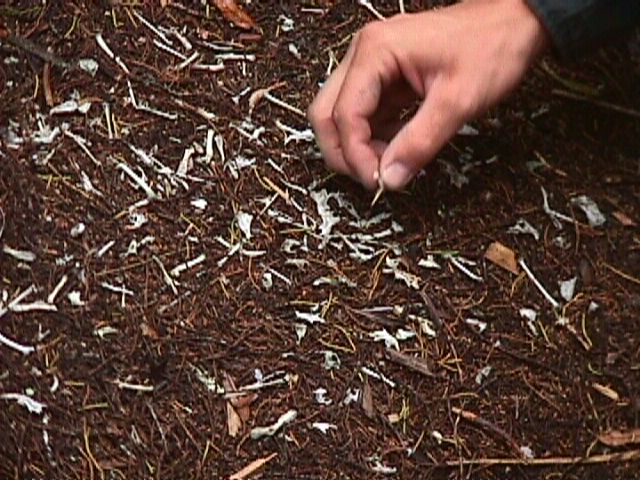 Deep inside
the hammock we found owl pellets. The owl eats
whole mice and later regurgitates the bones that didn't
digest. many of the bones were still whole when we found
them. Tiny mouse jaws with tiny teeth...cool! Deep inside
the hammock we found owl pellets. The owl eats
whole mice and later regurgitates the bones that didn't
digest. many of the bones were still whole when we found
them. Tiny mouse jaws with tiny teeth...cool! |
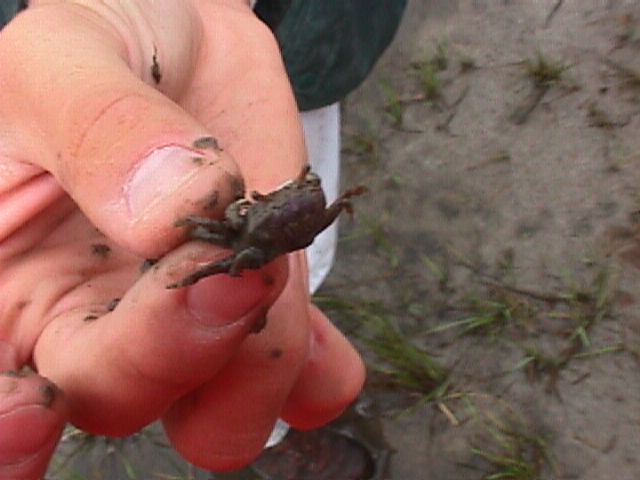  Fiddler crabs come in all sizes. The one on the right is a baby fiddler crab. |
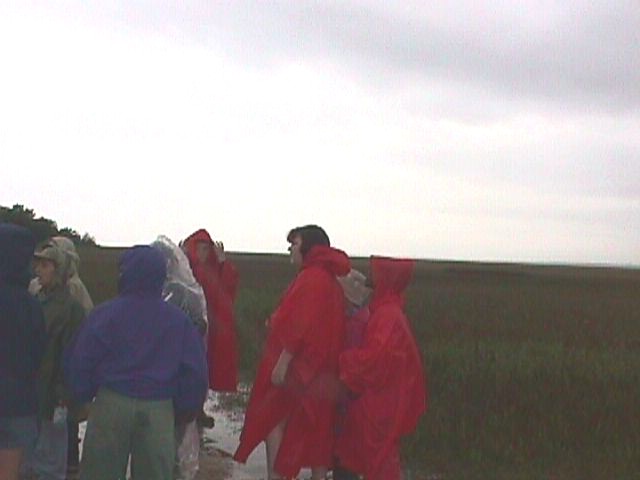 The trees of
the hammock are to the left of the vast flat marsh
land. The trees of
the hammock are to the left of the vast flat marsh
land. |
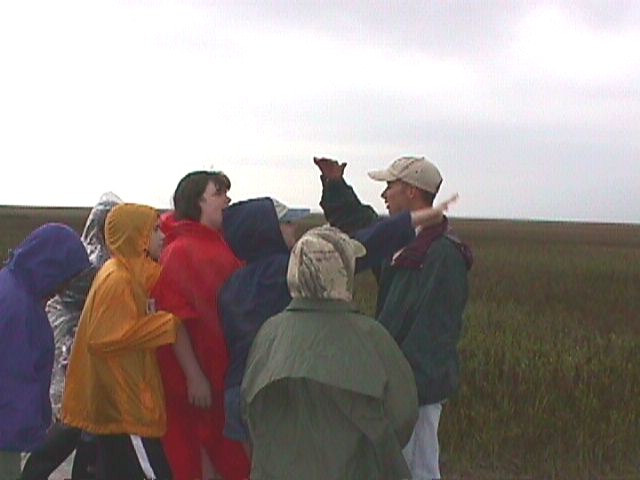 Students
learn the difference between low marsh and high
marsh. The taller grasses are low marsh and the
shorter grasses are high marsh. Students
learn the difference between low marsh and high
marsh. The taller grasses are low marsh and the
shorter grasses are high marsh. |
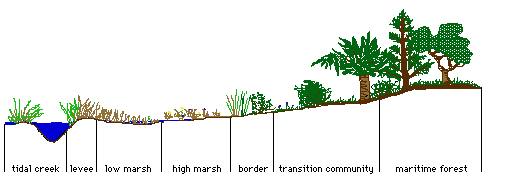
 The low marsh occupies the area just behind the levee. The tide floods this area of the marsh for several hours each day. The water moves slowly through the marsh across the dark anaerobic (without oxygen) mud. Due to the harsh conditions, few animals successfully live in the low marsh. This drawing was found on the internet. |
 The soil of
the high marsh is sandier and it is covered by water for
only an hour or less each day. Due to high concentrations
of salt in the soil the plants that live here are
stunted. Smooth cordgrass grows only 3 to 12 inches
tall. The soil of
the high marsh is sandier and it is covered by water for
only an hour or less each day. Due to high concentrations
of salt in the soil the plants that live here are
stunted. Smooth cordgrass grows only 3 to 12 inches
tall. |
| The Marsh Periwinkle Littorina irrorata is a small gray colored snail that lives on the cordgrass stalks. They are herbivorous and feed on algae and other plant material deposited on the mud flats. The snails move down the stalks as the tide goes out, and climb back up when the tide returns. | 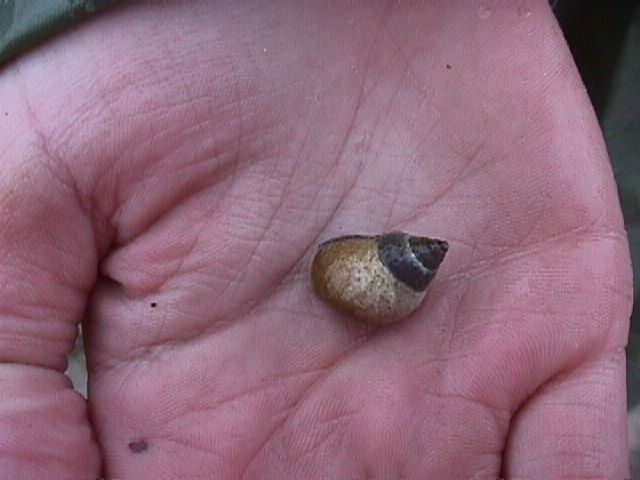 |
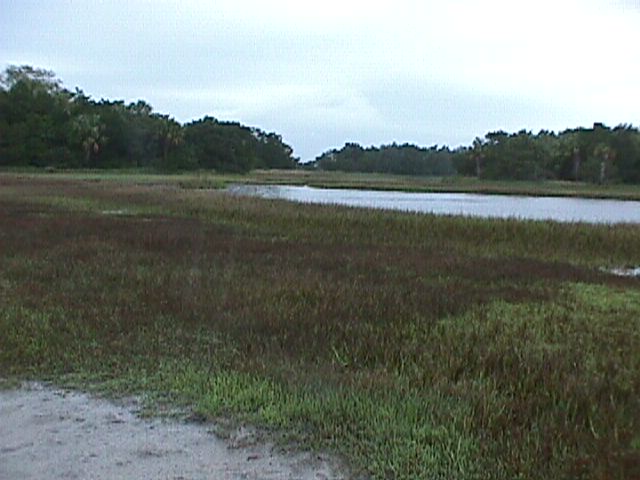 A marsh pond that serves as a "nursery" for baby plants and animals in the marsh. |
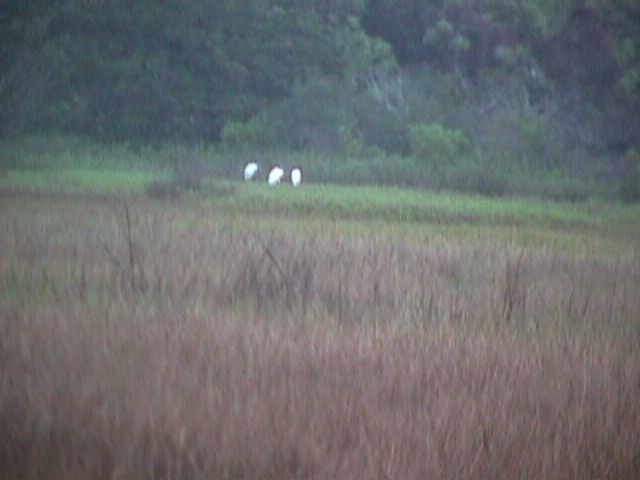 Three Wood
Storks, an endangered species. They are about 3 1/2
feet tall with a wingspan of 50 inches. Three Wood
Storks, an endangered species. They are about 3 1/2
feet tall with a wingspan of 50 inches. |
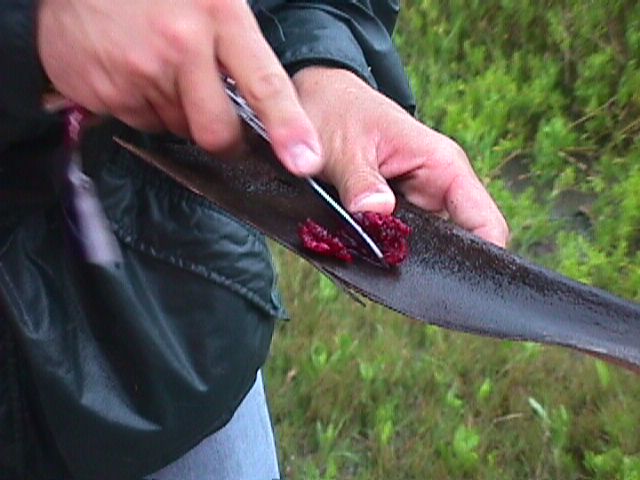 Cactus Pear is actually edible. Our teacher, Grant, prepared some for us to taste. |
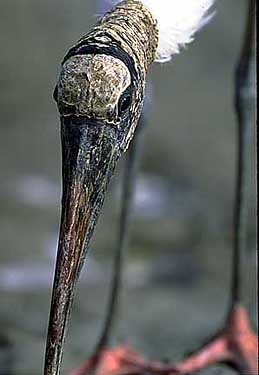 This
close-up of a Wood Stork shows the bill that gives it its
name. This picture was found on the internet. This
close-up of a Wood Stork shows the bill that gives it its
name. This picture was found on the internet. |
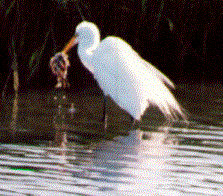 The egret lives in the marsh and eats crabs. This picture came from the internet. |
Home
Ms. Callie's Kids
Beach Ecology
Maritime Forest
North End
Marsh
Snakes and Turtles
Fort Frederica National Monument